 Mario
Mario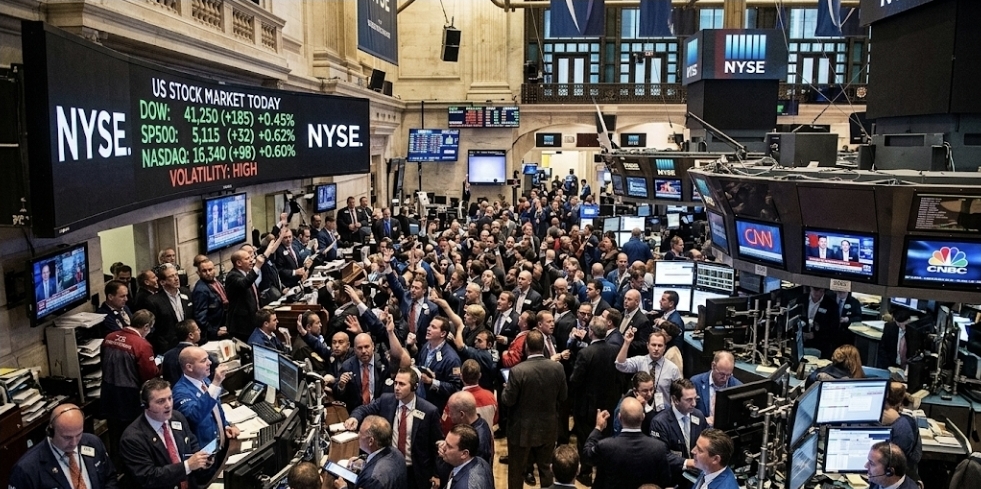
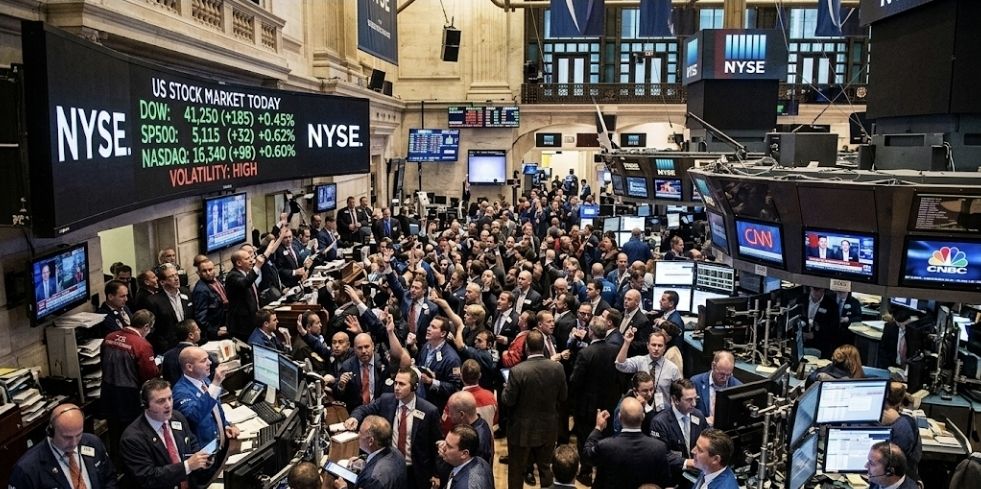
Market volatility is often a signal of uncertainty. Today, investors are closely monitoring key economic indicators and Federal Reserve statements to gauge the trajectory of the economy for the remainder of Q2. Whether it is tech-sector rotation or concerns regarding inflation and consumer spending, the market is reacting to a mix of macroeconomic data points that have left many looking for clarity.
Key Factors to Monitor:
Investor Sentiment: Increased search volume for “US stock market today” often correlates with nervous sentiment. Investors are seeking validation for their portfolios in light of recent fluctuations.
Economic Indicators: Ongoing debates regarding interest rates and inflation remain the primary drivers of market behavior.
Sector Rotation: We are seeing a distinct movement between defensive stocks and high-growth technology assets, which often happens when the market tries to find a new equilibrium.
Advice for the Average Investor
While market volatility can be unsettling, professional analysts often advise a “long-term view” approach. Sudden spikes in interest and market movement—while exciting to track—rarely necessitate immediate, knee-jerk reactions for long-term investors.
The best strategy remains consistent monitoring of your financial goals rather than reacting to daily headlines. As the week progresses, keeping an eye on official economic reports will be far more beneficial than tracking intraday price swings.
Disclaimer: This article is for informational purposes only and does not constitute financial advice. Always consult with a licensed financial advisor before making investment decisions.