 Mario
Mario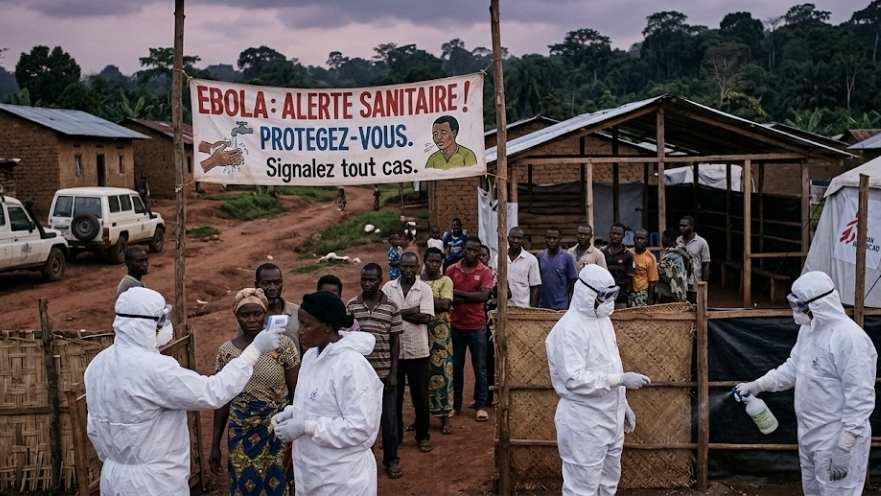
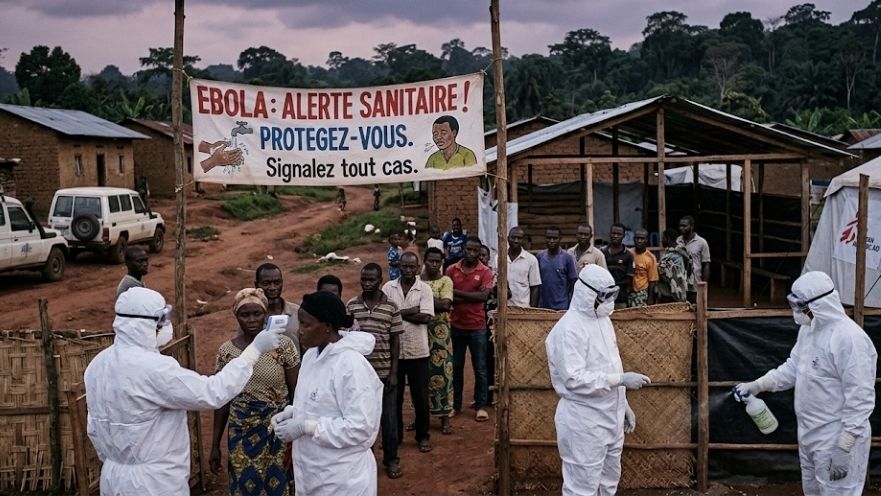
The healthcare crisis in the Democratic Republic of Congo (DRC) has taken a catastrophic turn. Local health officials have confirmed that at least 100 people have tragically lost their lives due to the rapidly spreading Ebola outbreak. The milestone death toll comes just as the World Health Organization (WHO) officially designated the situation an international health emergency.
The Rising Toll and Local Panic
The virus is moving faster than containment efforts can keep up. Medical teams on the ground describe an increasingly desperate situation, with hospitals in affected regions operating far beyond their intended capacity.
The spike in fatalities is largely attributed to a highly aggressive strain of the virus combined with delayed medical interventions.
Critical challenges facing response teams include:
Logistical Nightmares: Reaching remote villages where the virus is deeply embedded remains incredibly difficult.
Resource Shortages: An immediate lack of specialized isolation units, protective gear, and therapeutic treatments.
Community Distrust: Resistance to medical teams in certain areas is slowing down crucial contact tracing.
Why Global Intervention is Urgent
With over 100 confirmed deaths, international health experts are raising alarms about the threat of cross-border transmission. The DRC shares highly active trading borders with several neighboring countries, meaning a single unmonitored traveler could turn this regional outbreak into a continental disaster.
The WHO’s international emergency declaration is a desperate call for global funding, medical personnel, and vaccine distribution to be accelerated before the outbreak spirals completely out of control.