 Mario
Mario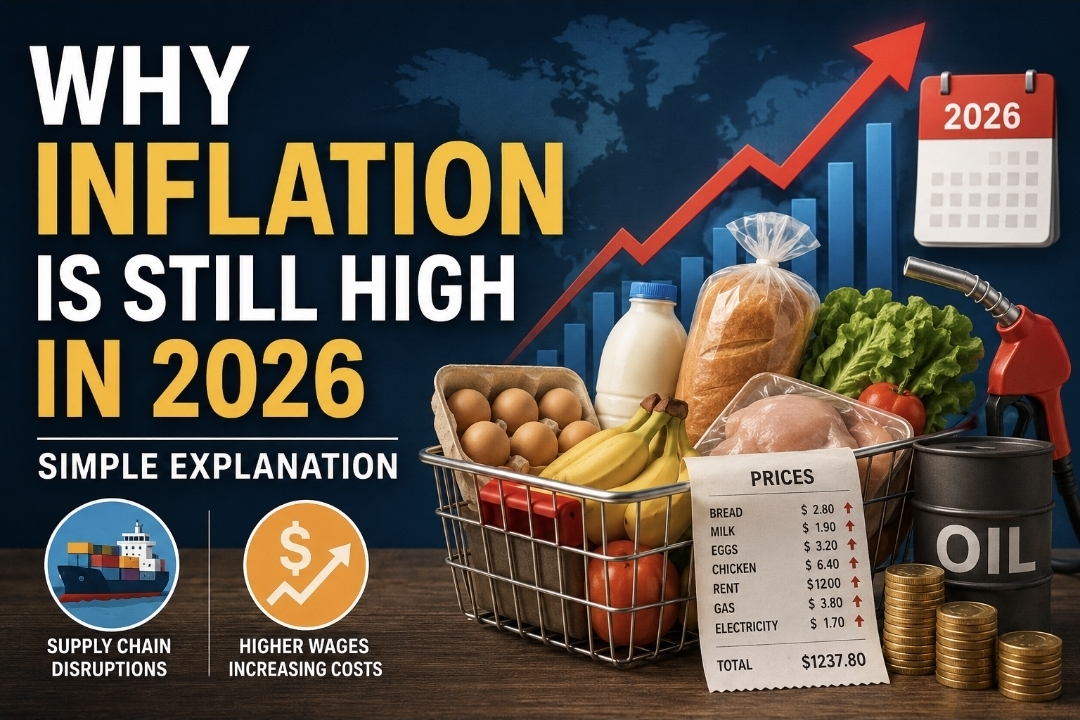
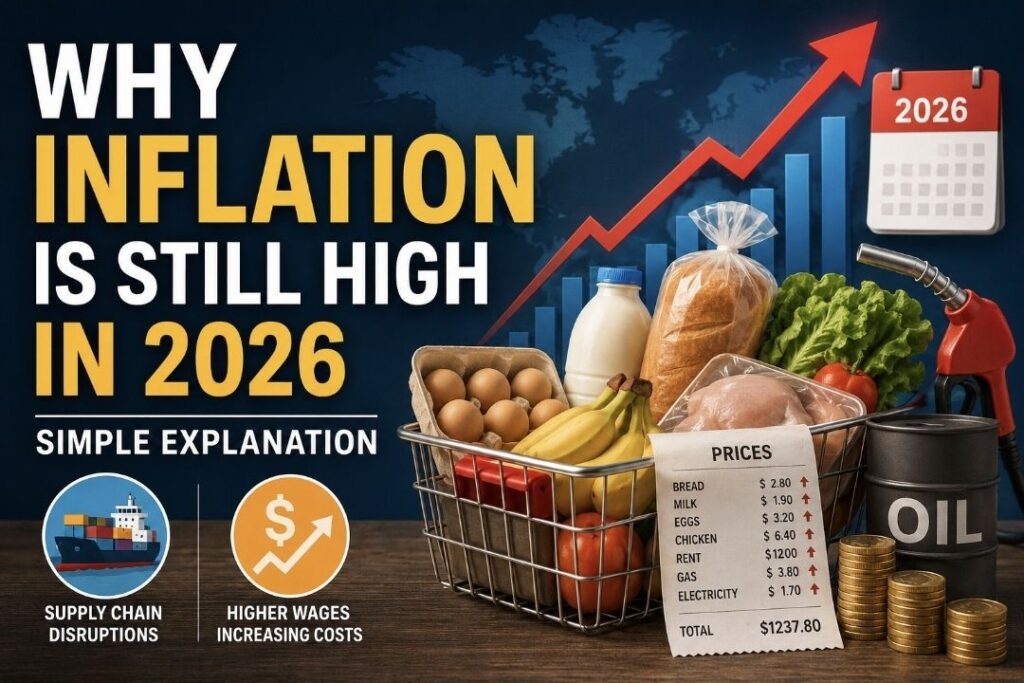
Inflation has been one of the biggest economic topics in recent years. Even in 2026, many countries like the United States, the United Kingdom, Canada, Australia, and New Zealand are still experiencing higher-than-usual prices for food, rent, and services.
But why is inflation still high?
1. Supply chain problems are not fully gone
Even after global disruptions in previous years, supply chains are still adjusting. Shipping costs, energy prices, and production delays continue to affect final consumer prices.
When it costs more to produce and transport goods, businesses pass those costs to customers.
2. Higher wages are increasing business costs
Many countries raised minimum wages and average salaries to match inflation from previous years. While this helps workers, it also increases costs for companies.
To stay profitable, businesses often increase prices.
3. Housing costs remain very high
Rent and housing prices in countries like the US, UK, and Canada have not stabilized yet.
Since housing is one of the biggest parts of monthly spending, it keeps overall inflation high even when other prices slow down.
4. Energy prices are still unstable
Oil, gas, and electricity prices continue to fluctuate due to global demand and geopolitical issues.
Energy affects almost everything: transport, manufacturing, and food production.
5. Inflation takes time to fully go down
Even when central banks reduce inflation rates, prices usually do not go back down. Instead, they just rise more slowly.
This means people still feel the impact of “high prices” even when inflation is technically improving.
Conclusion
Inflation in 2026 is not caused by a single factor, but by a combination of energy costs, housing, wages, and global economic adjustments.
While prices may stabilize over time, many countries are still dealing with the long-term effects of previous economic shocks.