 Mario
Mario
The United States national debt has officially crossed the $39 trillion mark, a staggering figure that has sparked renewed debate in economic circles and across social media. While these numbers can feel abstract, they have real-world implications for the economy, inflation, and interest rates. Here is a breakdown of what this milestone means for the future.
How Did We Get Here?
The climb toward $39 trillion hasn’t happened overnight. It is the result of years of cumulative government spending, including:
- Emergency Response: Significant spending during global crises (like the pandemic) to stabilize the economy.
- Interest Rates: As the cost of borrowing has risen, the interest the US pays on its existing debt has ballooned, creating a “snowball effect.”
- Budget Deficits: The ongoing gap between what the federal government collects in taxes and what it spends.
The Economic Impact: Why Should You Care?
Many people ask: Does this debt affect my bank account? While it isn’t an immediate threat to your personal finances, it influences the broader economic landscape:
- Interest Rates: A higher national debt can keep interest rates elevated, making it more expensive to take out mortgages, car loans, or personal credit.
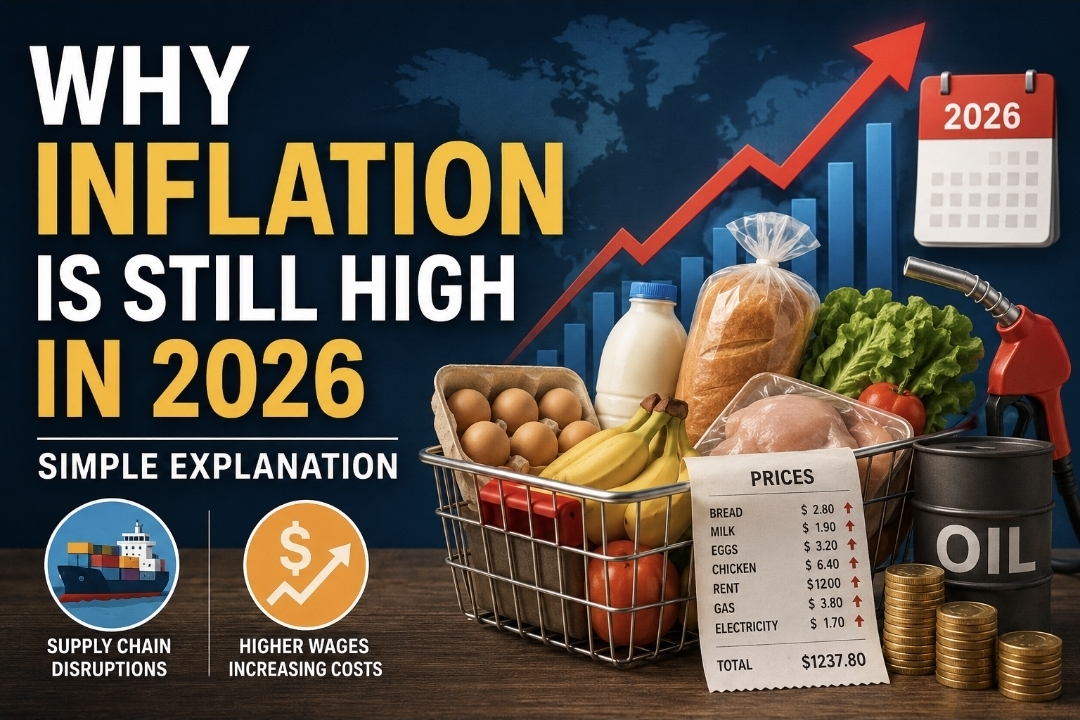
- Inflationary Pressure: When the government spends more than it takes in, it can influence inflation, affecting the cost of daily goods.
- Long-Term Stability: Economists are closely watching how the government plans to manage these interest payments in the coming years without cutting essential services.
The Bigger Picture
Crossing the $39 trillion threshold serves as a wake-up call for fiscal policy. Whether this leads to tax reforms, spending cuts, or a shift in how the US manages its financial obligations is currently at the center of political and economic debate.
Stay Informed
The conversation surrounding the national debt is constantly evolving. Understanding these macroeconomic trends is the first step in protecting your personal financial strategy in an uncertain climate. Keep an eye on our finance section for real-time updates as new government policies develop.