 Mario
Mario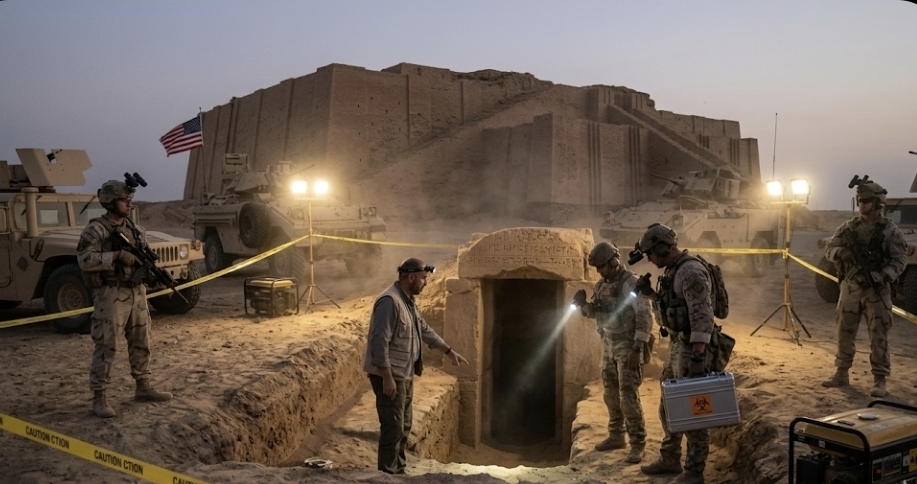
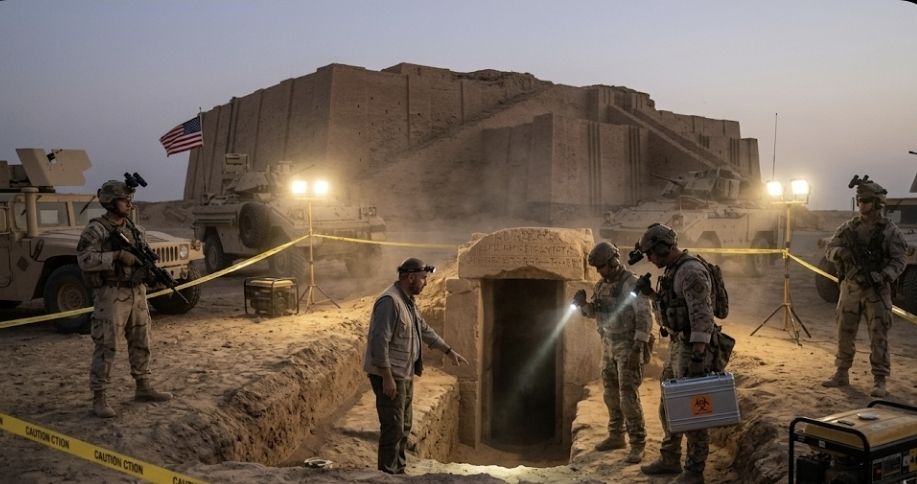
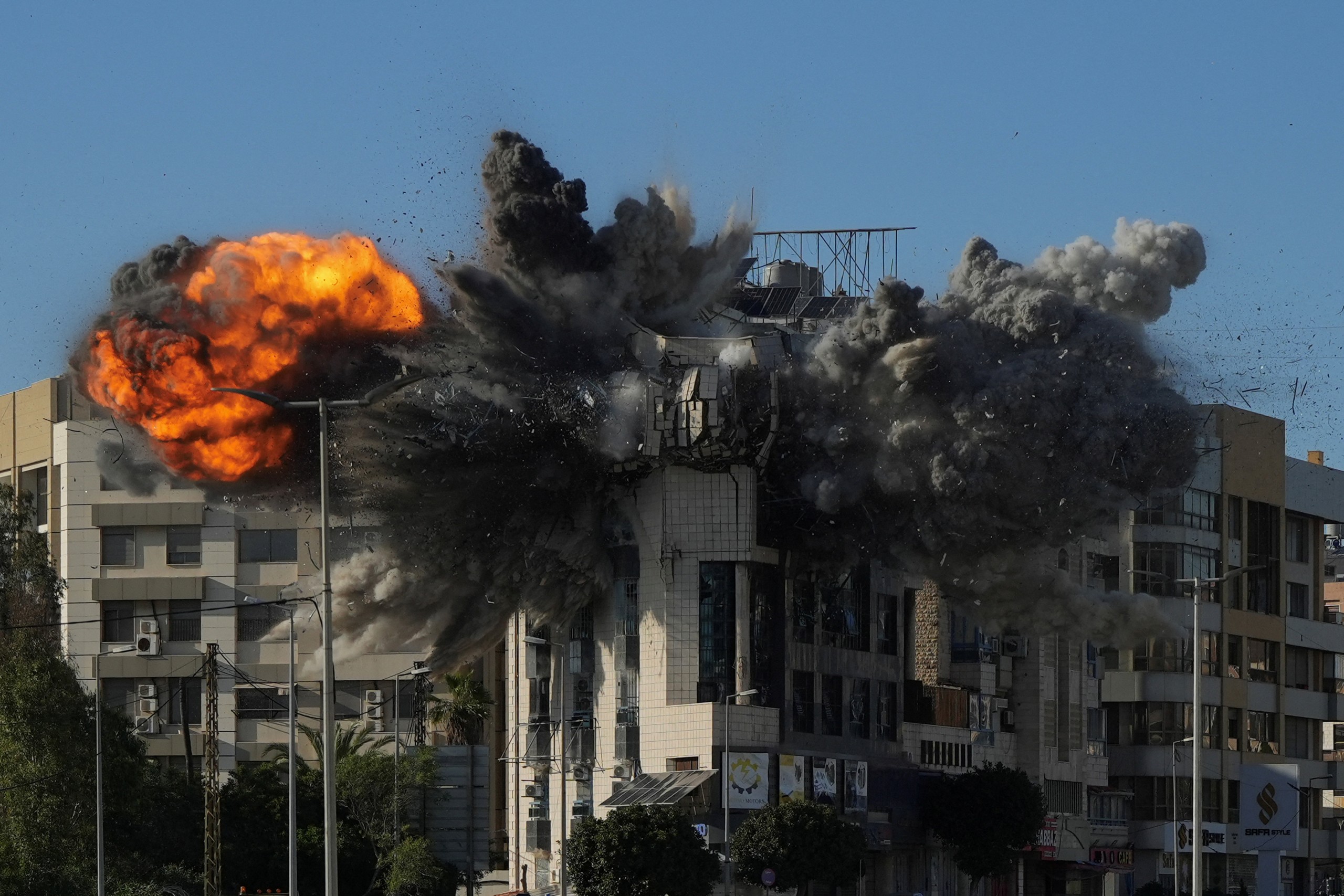
In the spring of 2003, the United States military launched a massive invasion of Iraq, stating to the world that the mission was to locate weapons of mass destruction. However, decades later, a fascinating alternative theory continues to circulate within global research circles. Speculation suggests that the Pentagon’s true objective wasn’t modern weaponry, but rather an unprecedented archaeological prize buried deep beneath the desert: the long-lost tomb of King Gilgamesh and the ancient genetic secrets sealed inside it.
The Forgotten 2003 Discovery in Uruk
Just weeks before the first military forces crossed the border into Iraq, a team of specialized German researchers made a stunning announcement. Utilizing advanced ground-penetrating radar systems in the ancient city of Uruk, they mapped out an underground structure that perfectly matched the classical descriptions of Gilgamesh’s final resting place. According to ancient texts, the legendary god-king of Sumer was buried in an engineered chamber beneath the old bed of the Euphrates River. The timing of the discovery and the immediate outbreak of the war have fueled intense debate ever since.
The Anunnaki Connection and the Giant Blueprint
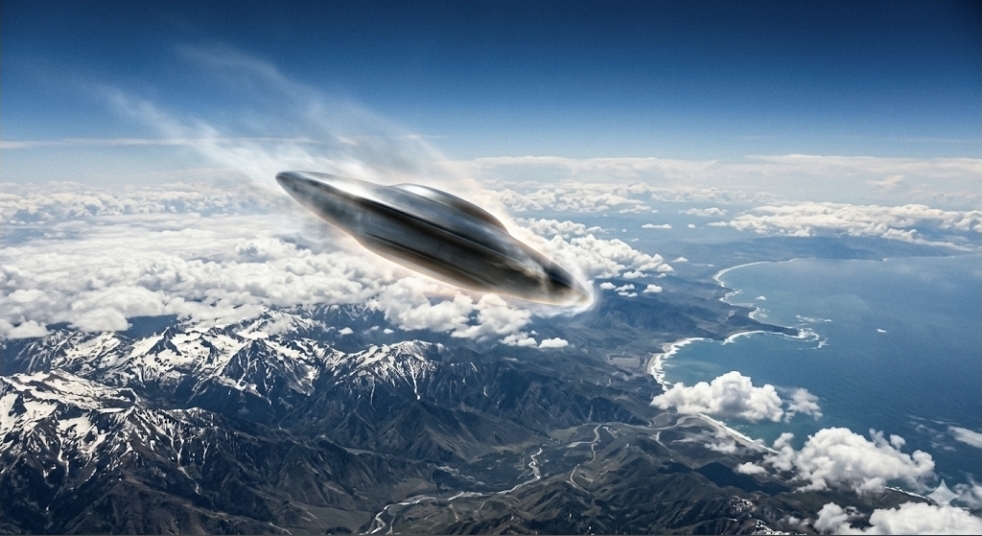
The core of the mystery surrounds the unique biology attributed to Gilgamesh in cuneiform tablets. Ancient scribes documented the ruler not as a standard human, but as a hybrid entity—two-thirds divine and one-third mortal—born from the lineage of the Anunnaki, the figures who reportedly descended from the skies. Described as a towering giant with extraordinary strength, an undisturbed burial site meant his genetic material would be perfectly preserved. Theorists argue that recovering intact DNA from an advanced ancient lineage would represent the ultimate scientific and military advantage.
Securing the Ancient Vaults
Following the escalation of the conflict, official civilian excavations were immediately halted, and foreign teams were forced to leave the country. Rumors persist that specialized tactical units took control of the Uruk perimeter shortly after. While mainstream reports focused on the looting of the Baghdad Museum, alternative analysts claim that classified operations successfully reached the subterranean vault, securing historical artifacts and biological remnants that remain hidden from the public eye to this day.